The best card machine for small businesses in South Africa

Running a small business means making plenty of decisions about how you sell, get paid and manage your money. Choosing the right card machine is one of them. For many South African businesses, accepting card payments is no longer a nice-to-have. Customers expect a quick and convenient way to pay, whether they are shopping in-store, ordering online or buying at a pop-up event. 

Payfast by Network offers payment solutions for businesses that need to accept payments in person and online. Its network POS device handles in-person card payments, while the online payment gateway supports digital transactions. 
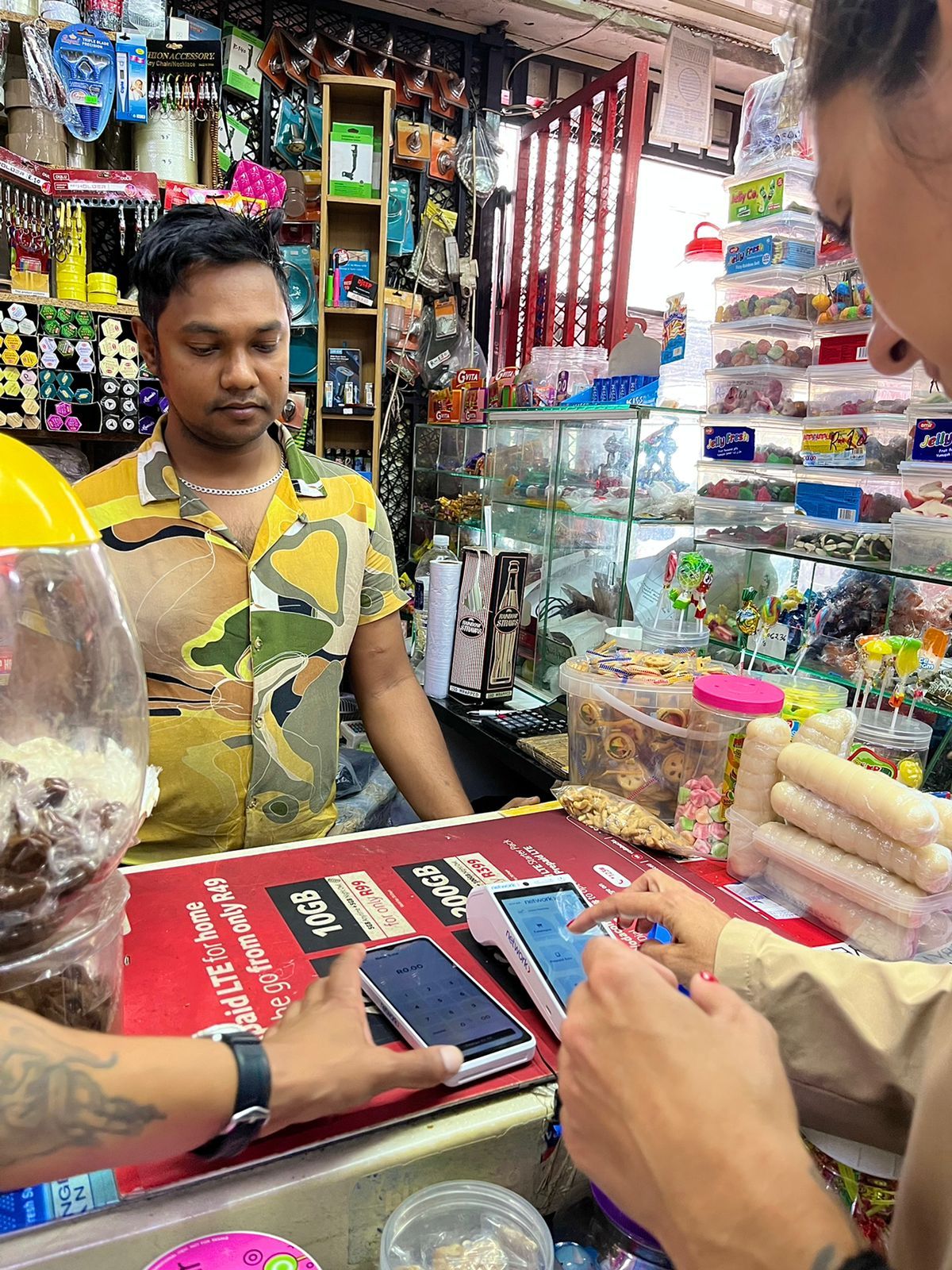
What is a card machine?

A card machine is a payment device that allows a business to accept card payments from customers. Depending on the device, customers may be able to pay by: 

  • Inserting a card 
  • Tapping a card 
  • Using a mobile wallet such as Apple Pay, Google Pay or Samsung Pay 

A card machine connects the point-of-sale payment to the relevant payment system, allowing the transaction to be authorised and completed. 

Why does your business need a card machine?

Cash still has a place in South African commerce, but customers increasingly expect businesses to accept electronic payments. 

A card machine lets your business accept card payments when customers are ready to buy. It also reduces the need to handle cash and makes it easier to keep a record of transactions. 

Many small businesses use POS machines as a convenient way to get paid. Some of the many business types benefiting from these machines include the following: 

  • Retail stores 
  • Restaurants and cafes 
  • Salons and beauty businesses 
  • Market traders 
  • Service providers 
  • Pop-up shops 

The right card machine should fit how your business operates, not add unnecessary complexity.

What should you look for in a card machine?

Consider a few important things before choosing a card machine. 

1. How your business operates

Think about where and how you accept payments. 

If you run a physical store, a traditional card machine may sit comfortably at your checkout. If you regularly travel to customers or sell at different locations, you may need a portable device. 

Consider: 

  • Where you accept payments 
  • How often you move the device 
  • Whether you have a fixed point of sale 
  • How many people will use the device 
  • Whether you also accept online payments 

Your business needs should guide your choice. 

2. The payment methods your customers use 

Not all customers pay the same way. Some will use a physical card, while others may prefer a contactless payment method or a mobile wallet. A useful card machine should support the payment methods that make sense for your customers. 

For example, a business may want to accept: 

  • Credit cards such as Visa, Mastercard, American Express, Diners Club and China UnionPay.  
  • Mobile wallet payments such as Apple Pay and Google Pay. 

Giving customers a convenient way to pay simplifies the checkout process. 

3. The cost of the device

Cost is another important consideration when choosing a card machine. 

Some providers charge a once-off amount for the device, while others may structure their pricing differently. You should also look at the transaction fees and any other additional costs attached to using the service. 

Before signing up, check: 

  • The upfront cost of the card machine 
  • The transaction fees 
  • The monthly fees 
  • Any additional service charges 
  • How payouts work 

The cheapest card machine is not necessarily the best choice for your business. Look at the full cost and consider how the device will fit into your day-to-day operations. 

Once-off costs vs monthly fees

When comparing card machines, it is easy to focus only on the initial price of the device. However, the ongoing costs matter too. Some providers charge a once-off fee for the device, while others may charge monthly fees or additional service costs. These expenses can add up, particularly for small businesses managing tight budgets. 

When comparing card machines and payment solutions, look beyond the upfront price. Check the transaction fees, monthly fees and any once-off costs, so you have a clear picture of what you will actually pay. 

What is the difference between a card machine and a point-of-sale system?

A card machine is primarily used to accept payments. A point-of-sale system can do much more. It may help a business record sales, keep track of inventory, print receipts and manage other parts of the checkout process. 

The two can work together. For example, a retail business might use a point-of-sale system to record a sale, while the card machine processes the customer’s payment. If your business already has point-of-sale software, check whether your chosen card machine can work with it. 

What are the benefits of card machines for small businesses?

From convenience to customer satisfaction, POS machine benefits small businesses as follows: 

  • Faster checkout. Payments are made on the go, reducing waiting times. 
  • Multiple payment methods. Customers have more ways to pay, including Visa, Mastercard, Diners Club, Samsung Pay, Apple Pay and G Pay.  
  • Stock management. Stock can be inventoried and managed to prevent over-ordering or under-stocking. 
  • Reduced admin time. Less time is spent on admin, leaving you free to manage your day-to-day business. 
  • Customer satisfaction. A seamless customer experience results in happier customers, with more chance of repeat business. 

How do you choose the right card machine for your business?

There are numerous payment providers on the market, all offering in-payment solutions designed for cashless payments. Along with transaction costs and basic features such as payment options for customers, there are several other factors to consider when choosing a POS machine for your business. These include the actual cost of the device, including payment or rental plans – for example, some POS providers have the option for merchants to buy or rent the device, as well as value-added services, like the ability to generate extra income by selling airtime.  

There is no universal answer to which card machine is best. The right card machine depends on your business needs, customers and sales environment. 

Before you choose a device, ask yourself: 

  • Do I need a portable card machine? 
  • Where will I accept payments? 
  • Which payment methods do my customers use? 
  • Do I need tap-to-pay or mobile-wallet support? 
  • What are the transaction fees? 
  • Are there monthly or hidden costs? 
  • Do I also need an online payment solution? 
  • Can the system work with my existing point-of-sale set-up? 

Answering these questions can make it easier to compare card machines and find a solution that fits your business. 

The Network POS device, our in-person solution, is designed to help your business grow. Merchants who sign up with Payfast by Network can order their device and just pay a minimal monthly connectivity fee. This removes a common barrier to entry for small businesses accessing in-person payment technology.  

As the acceptance of digital payments on the device improves financial visibility, businesses have greater control over cash flow tracking.  

With our POS device, you will have access to a wide range of features and benefits, including: 

Access to the Payfast by Network Dashboard to view insights, analytics and other sales data to make informed decisions for your business. 

Advanced security that screens all payments for suspicious activity, reducing the chance of chargebacks.  

Compliance with PCI-DSS requirements for total peace of mind when handling any type of transaction.  

Flexibility to allow customers to print their receipts or have them sent via email or SMS.

Value-added offerings by selling airtime, data and vouchers to expand income streams.

Competitive fees help preserve profit margins while managing costs and offering cashless payment convenience.

Can you use a card machine alongside online payments?

Yes, and this can be useful for businesses that sell in more than one way. A business may have a physical store while also taking orders through its website. Managing these channels separately makes it harder to keep track of sales and payments. 

A better-connected payment set-up helps you manage payment activity in one place. For example, your business could use: 

  • A card machine for in-person card payments. 
  • An online payment gateway for website transactions. 
  • Additional payment methods for customers who prefer alternatives. 

Payfast is designed to support this type of set-up. Businesses can use Network POS devices for in-person payments while using Payfast’s online payment gateway to accept online payments. This gives your customers more ways to pay while offering your business a clearer view of both physical and digital transactions.  

Choose a payment solution that fits your business

A card machine should make accepting payments easier, not create another system for your business to manage. Think about how your customers pay, where you sell and what you need to keep your payment process running smoothly. 

If you are looking for a payment solution that supports both in-person and online sales, Payfast can help you. With Network POS devices for in-person transactions and Payfast’s online payment gateway for digital sales, you can choose a set-up that suits the way your business operates

Frequently asked questions

What is the best card-swipe machine for a small business?

Does Payfast offer card machines for small businesses?

What is the cheapest way to accept card payments?