
South Africans aren’t just using their phones to shop online anymore; they’re using them to pay. And increasingly, they’re skipping cards altogether. As more consumers embrace digital-first lifestyles, the way people pay is shifting from cash and cards to faster, more seamless mobile experiences.
At the centre of this change is the rapid rise of mobile wallets in South Africa, reshaping how consumers interact with money across both online and in-store environments. Payments are becoming faster, more seamless and increasingly integrated into everyday mobile experiences.
For merchants, this is not just a trend to watch, but a fundamental shift that is actively redefining digital payments in South Africa.
What is a mobile wallet and why does it matter?
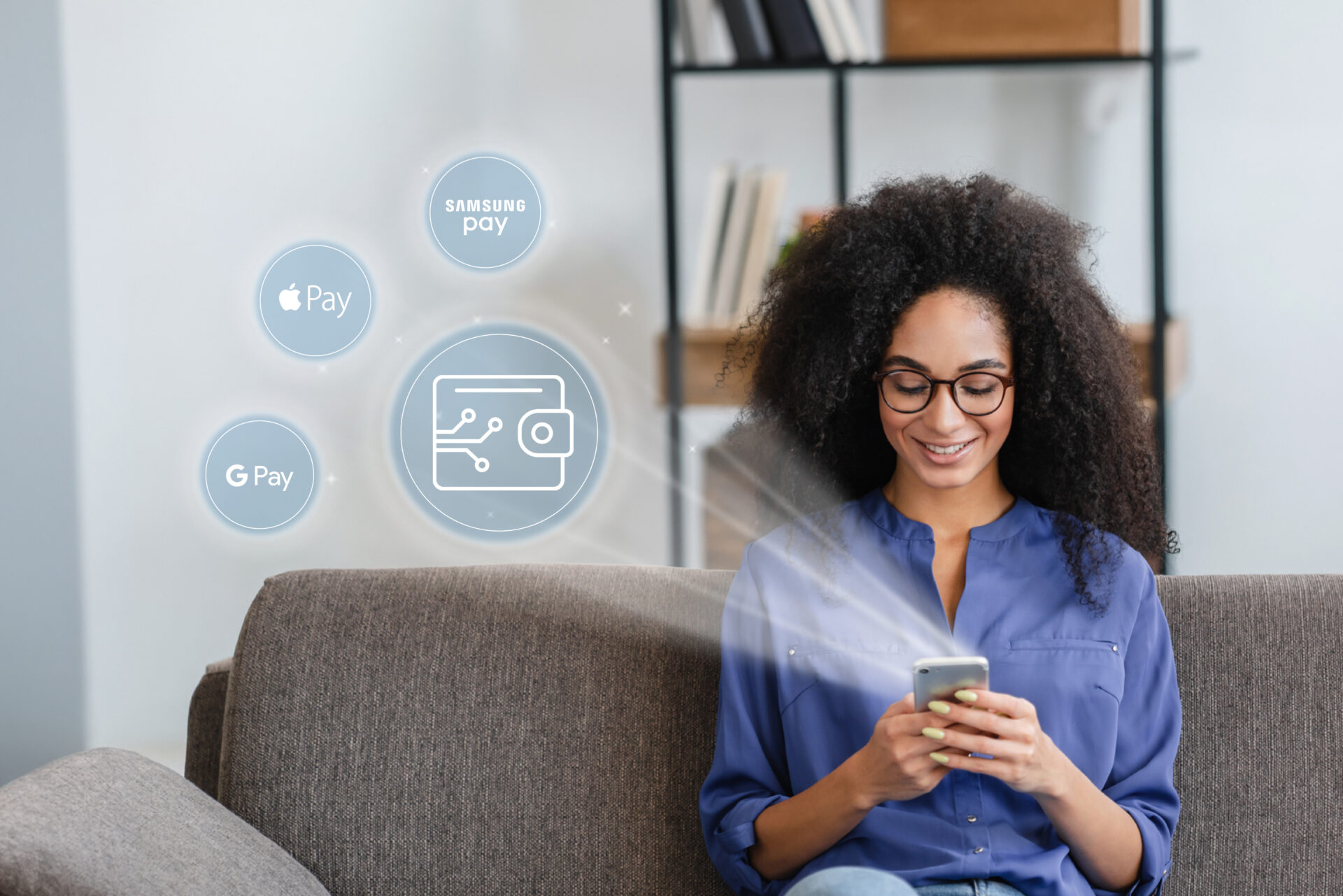
A mobile wallet allows consumers to store their payment information securely on their smartphone and pay with a tap, click or biometric confirmation. Popular examples include:
Mobile wallets combine convenience, speed and security. They remove the need to re-enter card details, enable faster transactions online and in-store, and use tokenisation and biometric authentication to enhance security.
For mobile-first shoppers, this translates into a smoother, more trusted checkout experience. According to the Payfast State of Pay 2025 report, 66% of consumers say security and data encryption are the most important factors when deciding where to shop online, highlighting how mobile wallets directly meet growing expectations for safe, seamless payments.
Popular mobile wallets in South Africa
South Africa’s mobile wallet landscape is shaped by three leading solutions, each designed to offer secure, fast and convenient payments. While they differ slightly by device and ecosystem, they all aim to reduce friction and streamline checkout.
- Google Pay is widely used across Android devices, offering seamless integration for online and in-store payments with a simple tap-to-pay experience.
- Apple Pay has strong adoption among iOS users, known for its security, ease of use and seamless contactless payments both in-store and online. Its performance highlights the role of trust and user experience in driving adoption.
- Samsung Pay also plays a key role, particularly among Android users, supported by wide device accessibility and strong bank partnerships. Its familiar interface makes it a practical option for everyday payments.
For merchants looking to enable and optimise digital wallets, this digital wallets payment guide offers clear steps and insights to get started.
Why offering choice matters
Today’s consumers expect to choose how they pay. Whether tapping in-store or checking out online in seconds, flexibility is now a core part of the payment experience. When a preferred option isn’t available, customers are far more likely to abandon their purchase.
This is especially true for mobile wallets, where convenience and familiarity influence checkout decisions. Offering a range of trusted options improves the customer experience and directly impacts conversion.
For merchants, providing payment choice means:
- Reducing checkout friction by supporting preferred methods.
- Increasing conversion rates by lowering cart abandonment.
- Catering to different devices and user preferences.
- Building trust through recognised, secure payment brands.
- Enabling faster, low-effort payments for mobile-first shoppers.
- Future-proofing your checkout as digital wallet adoption grows.
Ultimately, the more seamless and flexible the payment experience, the easier it is for customers to complete their purchase and return.
For SMEs and growing businesses, the business case for mobile wallets is clear: lower friction at checkout, higher conversion rates and future-proofing your payments stack.
As consumer behaviour continues to evolve, businesses that adopt modern payment methods early are better positioned to stay competitive. Whether selling online, via social channels, or through booking platforms, mobile wallets support flexible, scalable payment experiences.
From optional to essential
Mobile wallets are becoming a core part of how South Africans pay. The continued growth of solutions like Apple Pay and Google Pay signals a clear shift towards faster, more seamless digital payment experiences.
The message is simple: the easier you make it for customers to pay, the more likely they are to complete their purchase. Ready to offer faster, frictionless payments your customers already trust? Explore how Payfast helps you accept popular mobile wallets.