
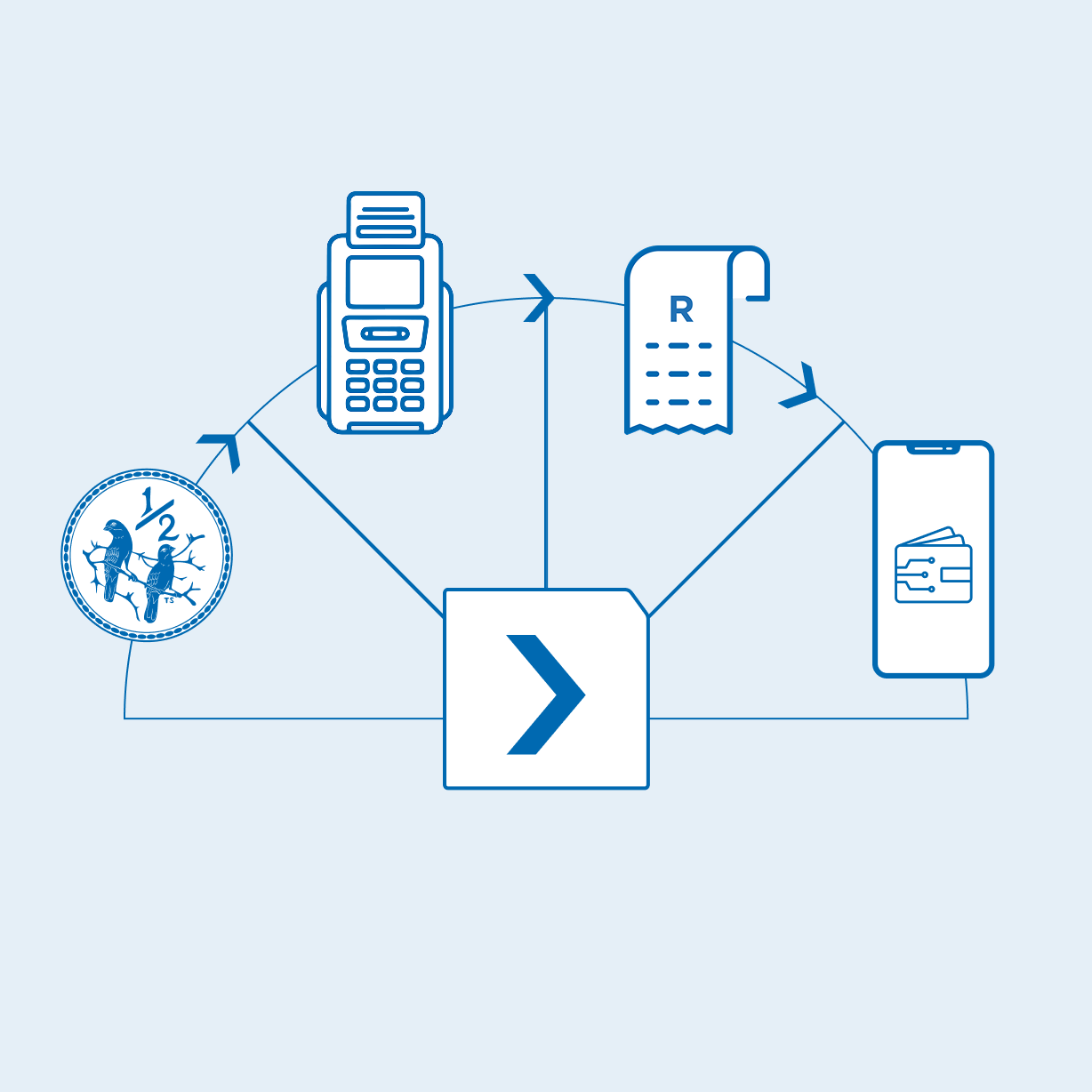
How we got here: A brief history of money and transactions
It’s easy to feel overwhelmed by all the payment options when you’re setting up a new business in South Africa. You need to get paid, right? But deciding on the best payment solution can feel like learning a whole new language.
Before we jump into terms like payment gateway and digital wallets, it helps to look back. Getting paid hasn’t always been this complicated, or this fast.
From bartering to bills: The early days
Money, in its purest form, has always been about trade. For thousands of years, people relied on bartering, swapping goods or services directly. If you had an extra cow and needed grain, you found someone to trade with. Simple, but not exactly scalable or convenient.
The introduction of universally accepted items, like shells, salt, or precious metals, made things much easier. These early forms of payment methods solved the “double coincidence of wants” problem. Later came coins, and then paper money, which represented a promise of value. This was the original payment system for centuries.
The rise of cards and the banking revolution
The real game-changer in modern payment processing started in the mid-20th century with the invention of the credit card. Suddenly, you didn’t need to carry a heavy wallet full of cash. For businesses, this was a massive shift. It meant being able to accept money from people who didn’t have the exact amount of cash on them.
In South Africa, this meant the eventual ubiquity of the humble card machine, or speedpoint, as many still call it. This technology allowed a business to swipe or insert a card and connect to the bank’s network, the beginning of true electronic payment processing in South Africa.
No part of the world of money is more critical to our everyday lives than payments, and arguably no part of money is more ignored than payments.
The tech revolution: How transactions got faster
Technology hasn’t just changed the way we buy; it’s completely changed the mechanisms of the payment system. The internet and mobile phones have been the primary drivers of this acceleration.
The dawn of online commerce
When businesses started selling online they needed a way to accept payments without a physical card machine. This is where the concept of the payment gateway was born. Think of a gateway as the digital equivalent of that trusty point-of-sale (POS) machine at your counter.
- Its job is straightforward: Securely capture the customer’s payment details (like card numbers).
- It then acts as a middleman: It sends those details to the bank for authorisation.
- It confirms the transaction: It tells your website if the payment went through or not.
Without these gateways online shopping simply wouldn’t happen. They handle the security and communication, which offers a great measure of relief for any small business owner.
The mobile shift: E-wallets and beyond
The next big leap? The smartphone. Mobile phones have become the ultimate tool for payment options. Today, many South Africans use digital wallets, apps that securely store card details and enable quick payments, often through tapping a phone at a terminal or scanning a QR code.
This move to mobile and digital allows businesses to cater to a much broader clientele. People who might not want to share card details on a website due to security concerns or finding it too time-consuming often feel comfortable paying with a trusted mobile app.
The future of finance is being shaped by the pioneers of fintech. Innovation is not about being first, it’s about being better.
Payfast and the local payment timeline
Where does a payment solution like Payfast by Network fit into this historical picture for South African small businesses?
Payfast was established to tackle the specific challenges and opportunities of the South African market: a place where cash is still king for many, but digital adoption is soaring for others. The home-grown fintech essentially bridged the gap between the traditional banking system and the rapidly expanding world of e-commerce.
Catering to the diverse South African buyer
The genius of modern payment gateways, and what a company like Payfast offers, is not just one solution, but many. This is crucial for small businesses here, because your customers are diverse.
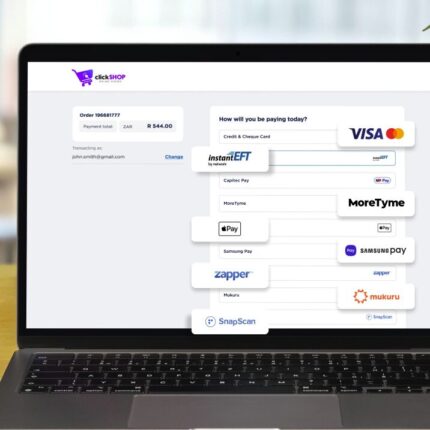
Some of your customers will be:
- The card user: Happy to enter their card details online, expecting the standard, secure process managed by a payment gateway.
- The EFT loyalist: They prefer paying directly from their bank account using Instant EFT, which is a key part of the payment systems in South Africa. It’s trusted because it involves logging into their familiar bank portal.
- The digital native: They want to pay using a specific digital wallet or perhaps a ‘buy now, pay later’ service. They expect these modern payment options.
- The vouchers and cash-equivalent payer: Even if you sell online, you can reach customers who prefer to pay for their online purchases using cash-based retail vouchers. This variety significantly expands your reach.
Understanding the nuts and bolts: Fees and setup
Let’s address the inevitable question: How much does this all cost? When looking at payment processing examples, the topic of payment processing fees always comes up.
What are payment processing fees?
These are the charges you pay to the various parties involved in getting money from your customer’s account to yours. They cover:
- The gateway service: The fee the payment gateway charges for connecting everything, simplifying the checkout, and managing the process.
- Security and fraud: The cost of maintaining high-level security to protect both you and your customer.
- Transaction costs: The banks and card networks (like Visa or Mastercard) need a slice for moving the money.
Fees are typically a percentage of the transaction amount and can vary depending on the payment method used by the customer. For a small business, it’s important to look for transparent, “pay-as-you-go” fee structures, especially when you’re just starting out and don’t have high sales volumes yet. Choose a solution that doesn’t charge you a setup fee or monthly fees just to be active. You can find more details on how this works on the Payfast fees page.
Setting up your system
Getting started with a modern payment solution is often much simpler than dealing with a bank directly to get your own card machine.
- Sign up: You usually register online (this is where identity verification happens).
- Integrate: The payment gateway provides you with simple code or a plugin (for platforms like WooCommerce or Shopify) to add to your website. This is the part that handles the secure transfer of information. Check out the Payfast integrations for examples.
- Start selling: Once integrated, the checkout on your site automatically directs customers to the secure payment page.
The best systems are designed to be developer-friendly, but also easy enough for a non-tech-savvy business owner to manage themselves.
Security is a necessary condition for people to use payments, and balancing usability and security is one of the keys to a healthy relationship with end users.
What’s next: The future of payments
The speed of change is not slowing down. As a small business owner, you need to be aware of what’s coming next to ensure your payment system remains current.
The South African payment landscape is heavily managed and regulated by the Payments Association of South Africa (PASA), who work closely with the South African Reserve Bank (SARB) to ensure safety and stability in the National Payment System.
You can find more information about their regulatory role on the official PASA website.
We are seeing shifts towards:
- Real-time payments: Transactions are clearing faster and faster, meaning you get access to your money sooner. This is driven by the Rapid Payments Programme (RPP) and its core feature, PayShap, which continues to expand to displace cash in low-value, high-volume transactions, with a core focus on instant, cost-effective, and safe payments for all South Africans. The goal is to make instant payments the norm for retail transactions.
- Increased focus on security: As payments get faster, security protocols have to get tougher. Using a reputable payment gateway offloads this security burden entirely from your business. The SARB’s Payments Ecosystem Modernisation (PEM) Programme includes a strong focus on enhancing the overall security and resilience of the national payment system.
- The rise of cross-border ease: Eventually, making and accepting payments from international customers will become as simple as a local EFT. The SARB has issued directives, such as Directive No. 1 of 2025, to drive the migration of all low-value cross-border payments within the Common Monetary Area (CMA) to a regional retail payment system called Transactions Cleared on an Immediate Basis (TCIB). This is a significant step toward transparent, immediate, and efficient cross-border settlements.
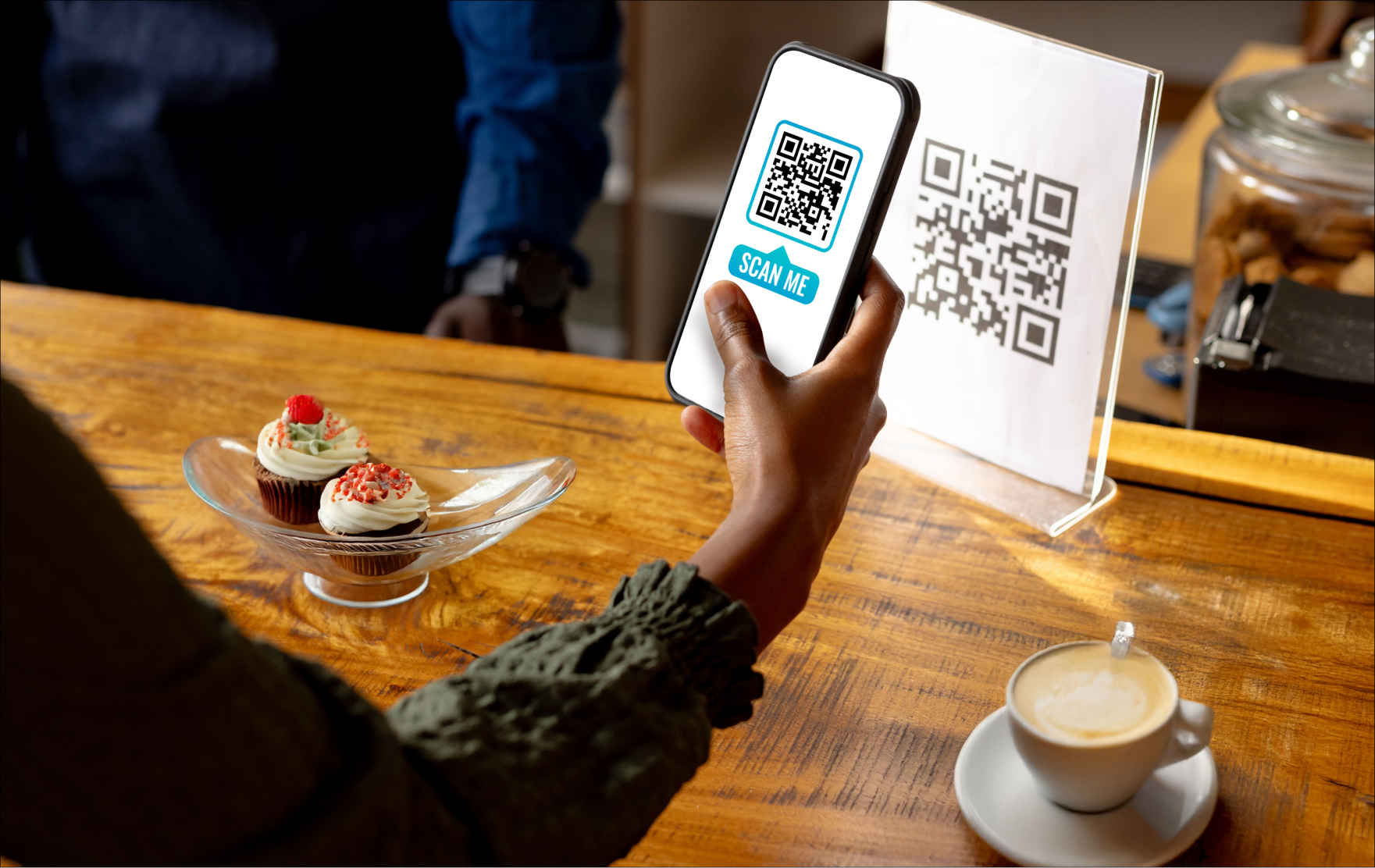
- More QR code payments: The “Scan to Pay” option is incredibly popular in South Africa as it bypasses the need for a traditional POS machine and is often easier and cheaper for smaller transactions. The local QR code payments market is projected to grow significantly, reflecting its growing utility for both consumers and merchants. This is supported by solutions like Zapper, which is seeing a continued rise in digital payment methods.
No matter what the future holds, the core principle will remain: people want simple, safe and diverse payment options.
The future of money is digital. Digital payment methods are currently enabling purchases that can be made anywhere, anytime, and on any device.
Your next step in payment processing
Starting a business is about taking calculated risks, but accepting payments shouldn’t be one of them. The choice of your payment solution impacts your customer experience, your cash flow and your operational efficiency.
For South African small businesses, the path is clear: you need a provider that understands the local banking environment, offers all the key payment methods your customers use (EFT, cards, digital wallets) and keeps your payment processing fees transparent.
By choosing a comprehensive payment system, you aren’t just getting a way to accept money; you’re getting a tool that helps you build trust and authority with every successful transaction. Take the time to explore the options that combine the most convenience with the widest range of local payment methods.